Probate vs. Succession: What's the Difference?
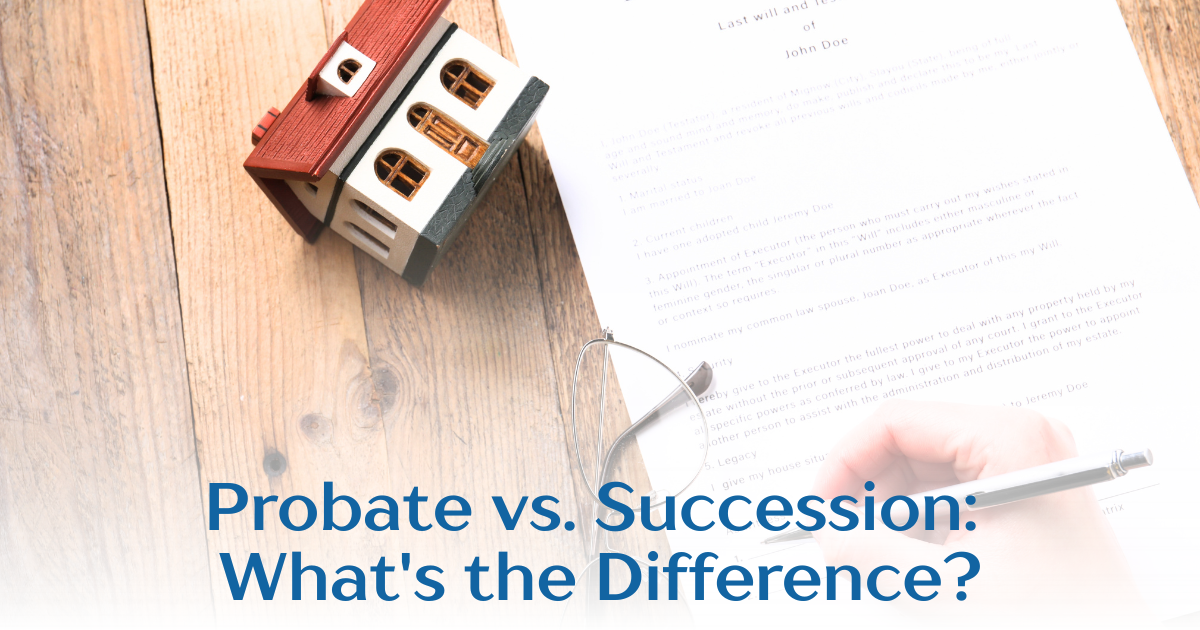
Many Louisiana families hear the word "probate" on television or from relatives in other states, only to discover that Louisiana follows a unique legal system. Because Louisiana's laws are based on the Civil Code rather than common law, the legal process used after someone dies is known as a succession. Although succession serves many of the same functions as probate elsewhere, there are important differences that make Louisiana estate administration unique.
Succession determines who has legal authority to administer an estate, settle outstanding debts, file necessary tax documents, and transfer ownership of property to heirs or beneficiaries. If a valid will exists, the court generally honors those wishes unless they conflict with Louisiana law. Without a will, Louisiana statutes determine inheritance according to family relationships. This can produce outcomes that differ from what many families expect.
Another significant distinction is Louisiana's community property system. Married couples often own property jointly under community property rules, and determining what belongs to the surviving spouse versus the estate may require careful legal analysis. This is especially important when real estate, retirement accounts, family businesses, or blended families are involved.
Understanding these differences before beginning the legal process can save families considerable time and frustration. The attorneys at Losavio & DeJean help clients understand Louisiana's succession laws, prepare all required filings, and efficiently guide estates through the court process. Having experienced legal counsel helps ensure your loved one's estate is handled correctly while protecting your family's interests.