Form Requirements for Mandates (Power Of Attorneys) In Louisiana
July 24, 2026
If you decide to create a power of attorney, be sure to fulfill the requirements to ensure that it is valid.

Requirements for Power of Attorney
Louisiana requires steps to be taken when preparing or implementing a power of attorney or “mandate”. The requirements include:
- Mandates must be in writing. Verbal mandates are not recognized. So, you can’t just tell someone else that you want them to act as your agent over your person or over your property.
- All of the documents must be notarized. That means it must be signed in front of a notary public and two witnesses. Even copies of the power of attorney must be certified through the original document. This is required whether or not your wishes are to be executed out-of-state.
- The notary must be qualified to notarize documents in the state and parish where the mandate is executed. The witnesses must be competent (over the age of eighteen and not be interdicted). The notary cannot also serve as a witness. Also, persons named in the document (principal and agent) cannot serve as witnesses or the notary.
- It is very important that a mandate be executed in proper form to ensure that is legal and valid. Otherwise, it is not required to be recognized by third parties. In an effort to save attorney’s fees and costs, many people try to “do it yourself” in signing online powers of attorneys, forms written by the person themselves or forms provided to them by other people.
- Persons should take caution in trying to execute their own powers of attorney. There is an old saying “you get what you pay for”. Errors as to form can ultimately cost that person’s estate considerable fees and expense if the home-made mandate is not legal or unclear.
How We Can Help
Our Baton Rouge power of attorney lawyers at Losavio & DeJean, LLC are here to help guide you through the process in Louisiana. If you have any questions, do not hesitate to contact us for a consultation .
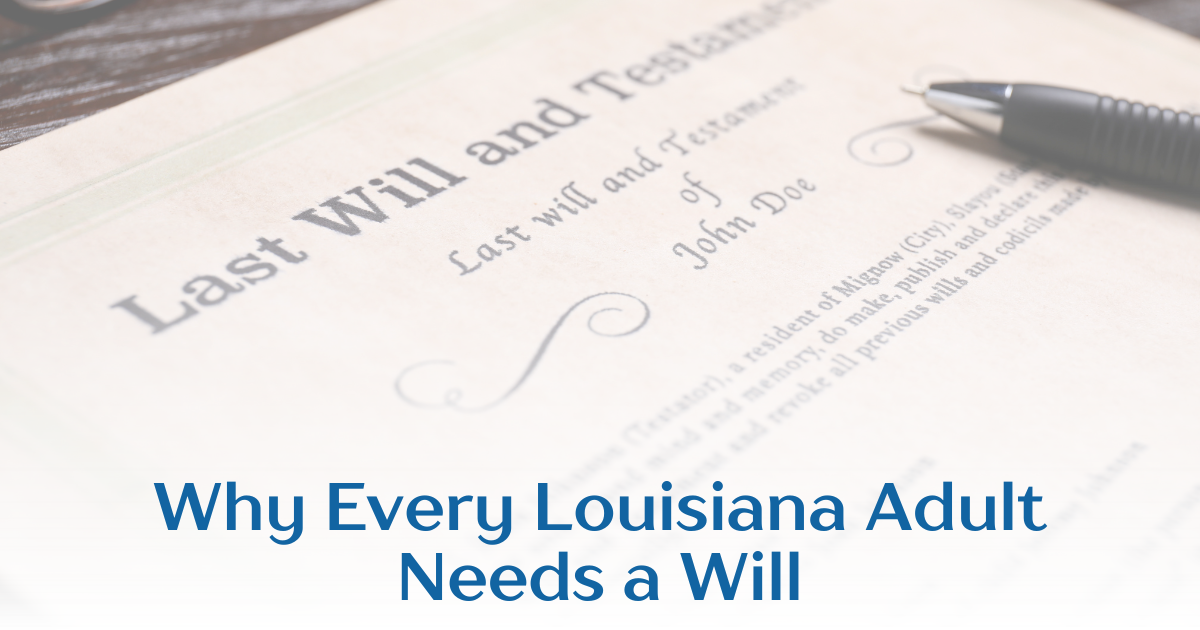
Many people believe wills are only necessary for retirees or individuals with substantial wealth. In reality, every adult should have a legally valid will regardless of age or financial status. Life is unpredictable, and having a comprehensive estate plan is one of the most important steps you can take to protect your loved ones and ensure your wishes are honored. One of the primary reasons to have a will is that it allows you—not the courts—to decide who receives your property. Without a will, Louisiana's intestate succession laws determine how your estate is distributed, which may not reflect your personal wishes. A will also allows you to appoint a trusted executor to handle your affairs and settle your estate efficiently. Parents of minor children have another critical reason to establish a will. A will is the legal document that allows you to nominate a guardian for your children if something unexpected happens to you. Without this designation, the court must determine who will assume responsibility, potentially leading to family disputes or decisions you would not have chosen. Creating a will is not simply about distributing assets—it's about protecting your family's future. At Losavio & DeJean Elder Law Firm , our experienced estate planning attorneys guide Louisiana families through every step of the process, ensuring each will is customized to meet individual goals while complying with state law. Taking action today can provide lasting security and peace of mind for tomorrow.

A comprehensive estate plan involves much more than writing a will . Several legal documents work together to ensure your wishes are carried out while protecting your family during difficult circumstances. The foundation typically begins with a Last Will and Testament. A will specifies how assets should be distributed and allows you to name guardians for minor children. However, many families also benefit from establishing trusts that can help avoid probate , provide greater privacy, and offer additional asset protection. Financial and healthcare powers of attorney are equally important. These documents authorize trusted individuals to make financial or medical decisions if you become unable to act on your own behalf. Without these documents, your loved ones may need to pursue court intervention simply to help manage your affairs . Healthcare directives provide additional clarity by documenting your medical treatment preferences during serious illness. Together, these documents create a comprehensive estate plan that protects both your assets and your family's ability to make decisions during unexpected situations.
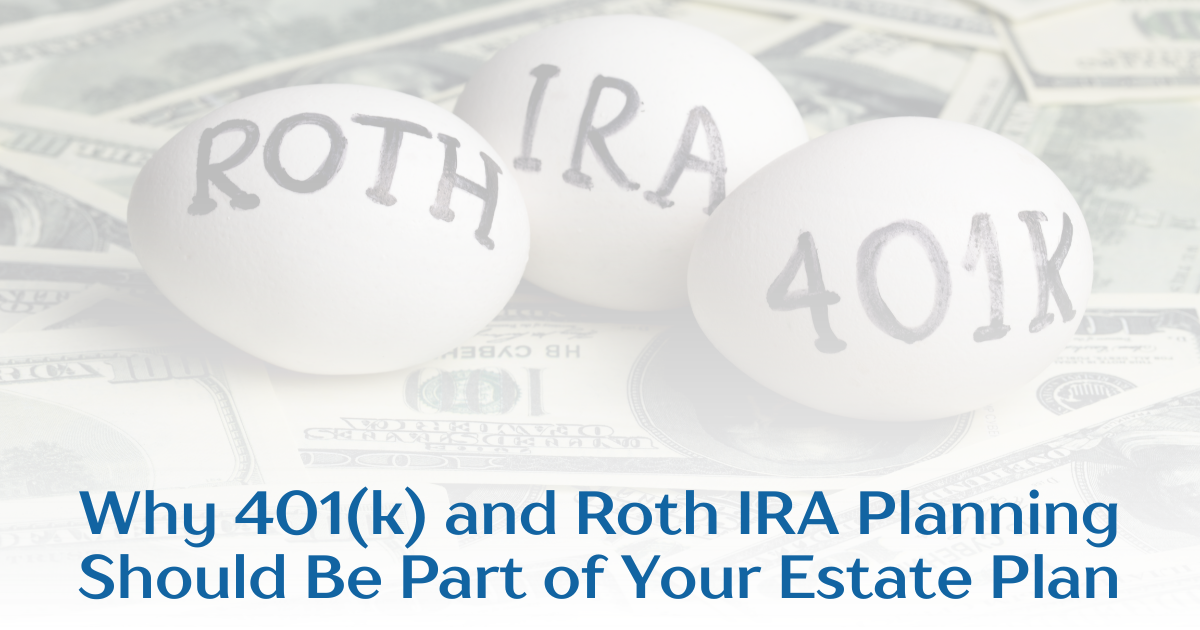
For many Louisiana families, retirement accounts represent one of the largest assets they will ever own. Whether you have spent decades contributing to a 401(k) , built wealth through a Roth IRA, or maintain both, these accounts deserve the same attention as your home, investments, and other estate assets. Unfortunately, many people assume that simply naming a beneficiary is enough. In reality, retirement account planning involves complex legal, tax, and estate planning considerations that can significantly impact your loved ones after your passing. At Losavio & DeJean, LLC , The Louisiana Elder Law Firm, retirement planning goes beyond investment performance. The firm's comprehensive approach combines elder law, estate planning , and retirement tax planning to help clients protect what they have worked so hard to build. By coordinating retirement accounts with wills, trusts , powers of attorney , and long-term care planning, families can create a more complete strategy for preserving wealth while minimizing unnecessary complications. The firm specifically offers 401(k) and Roth IRA assistance as part of its tax and estate planning services. One of the most common mistakes people make is failing to review beneficiary designations after major life events such as marriage, divorce, the birth of a child, or the death of a spouse. Because retirement accounts generally transfer according to beneficiary forms rather than a will, outdated designations can unintentionally disinherit family members or create unnecessary legal issues. In Louisiana , where estate planning laws have unique considerations, coordinating retirement accounts with your overall estate plan is especially important. If your goal is to leave a lasting legacy while protecting your family's financial future, professional guidance can make a significant difference. Losavio & DeJean works with clients throughout Louisiana to develop customized estate and retirement tax strategies designed to preserve assets, reduce taxes where possible, and provide peace of mind for future generations. Whether you are approaching retirement or already enjoying it, reviewing your 401(k) and Roth IRA as part of your estate plan is an investment in your family's future.

Receiving a letter from the IRS can be stressful, especially if you're unsure why it was sent or what action you need to take. Many Louisiana taxpayers immediately assume the worst, but the reality is that IRS notices cover a wide range of issues—from simple requests for additional information to audits, tax balances, or corrections to a filed return. Acting quickly and appropriately can often prevent a relatively minor issue from becoming a much larger financial problem. One of the biggest mistakes taxpayers make is ignoring IRS correspondence. Interest and penalties continue to accrue on unpaid balances, and failing to respond can eventually result in liens, wage garnishments, or levies. Even if you disagree with the notice, responding within the timeframe provided preserves your rights and often leads to a more favorable outcome. Understanding exactly what the IRS is requesting is the first step toward resolving the matter. At Losavio & Dejean Elder Law Firm, our attorneys understand that tax issues often overlap with retirement planning , estate planning, business ownership, and elder law concerns. We work with clients to review IRS notices, explain their options, communicate with the IRS when appropriate, and develop practical solutions that minimize financial consequences whenever possible. Every situation is different, and having experienced legal guidance can provide peace of mind during an otherwise overwhelming process. If you've received an IRS notice, don't wait until deadlines pass. Early intervention often creates the greatest number of resolution options. Whether your concern involves unpaid taxes, an audit, retirement distributions , or estate-related tax questions, our team is prepared to help you understand your rights and determine the best path forward.
For many Louisiana veterans and their families, Veterans Affairs (VA) benefits can provide critical financial assistance, healthcare access, and long-term care support. Unfortunately, many eligible veterans never receive the benefits they have earned simply because they are unaware of the programs available or find the application process overwhelming. Understanding your options is the first step toward securing the financial security and peace of mind you deserve. The U.S. Department of Veterans Affairs offers several different benefit programs, including disability compensation, VA pensions, healthcare, education assistance, survivor benefits, and long-term care assistance. One of the most valuable programs for aging veterans is the VA Pension with Aid and Attendance benefit, which can help qualifying veterans and surviving spouses pay for in-home care, assisted living, or nursing home expenses. Because eligibility depends on military service, income, assets, and medical needs, determining qualification often requires careful legal and financial planning. Many families mistakenly believe they must spend all of their assets before qualifying for VA benefits. In reality, strategic planning may help veterans preserve a significant portion of their estate while still meeting eligibility requirements. Coordinating VA benefits with Medicaid planning, estate planning , trusts , and powers of attorney can also help families prepare for future healthcare needs while protecting assets for loved ones. At Losavio & DeJean , our elder law attorneys help Louisiana veterans understand every available benefit while developing comprehensive plans that support long-term financial stability. Whether you are applying for benefits for the first time, planning for long-term care, or helping an aging parent navigate the VA system, our team is here to guide you through every step of the process. Contact us today to schedule a consultation and learn how your military service may qualify you for valuable benefits.
One of the biggest misconceptions about Medicaid is that it is only available to individuals with little or no assets. In reality, qualifying for Medicaid in Louisiana is often a matter of careful legal planning rather than simply spending everything you own. For families facing the possibility of nursing home care or other long-term care needs, understanding the Medicaid qualification process early can protect both financial security and peace of mind. The cost of long-term care continues to rise, making Medicaid one of the most important government benefit programs available to seniors. However, Medicaid eligibility involves strict income and asset requirements that many families find confusing. Certain assets may be exempt, while others could affect eligibility. Additionally, transferring property or giving away assets without proper legal guidance can trigger significant penalties that delay benefits. Planning ahead allows families to preserve more of what they have worked a lifetime to build while still obtaining the care they need. At Losavio & DeJean , The Louisiana Elder Law Firm, Medicaid planning is about much more than filling out paperwork. The firm's attorneys work closely with clients to evaluate their financial situation, explain available planning strategies, and develop customized legal solutions designed to protect assets while pursuing Medicaid eligibility. Every family's circumstances are different, which is why individualized legal advice is essential. If you or a loved one may require nursing home care now or in the future, don't wait until a crisis occurs. Early Medicaid planning provides more options and greater flexibility. Contact Losavio & DeJean to learn how proactive planning can help preserve your family's legacy while ensuring access to quality long-term care throughout Louisiana . The firm's experienced elder law team helps families navigate the complexities of Medicaid planning with confidence and compassion.

Interdiction is one of the most important legal tools available to families who need to protect a loved one who can no longer make safe or informed decisions. While many people have heard the term, few understand exactly what it means or when it becomes necessary. In Louisiana , interdiction is a court-supervised legal process that allows a qualified individual to make decisions on behalf of someone who has lost the ability to care for themselves or manage their affairs due to illness, injury, cognitive decline, or disability. Families often seek guidance on interdiction after a loved one has developed dementia, suffered a traumatic brain injury, or experienced another condition that significantly affects decision-making. Losavio & DeJean helps Louisiana families understand this complex process while focusing on preserving dignity and protecting vulnerable individuals. Unlike a Power of Attorney , which must generally be signed while someone still has legal capacity, interdiction is typically pursued after an individual has already lost the ability to execute legal documents. During the process, the court reviews medical evidence, hears testimony, and determines whether the individual requires a full or limited interdiction. If granted, the court appoints a curator to manage financial, legal, and sometimes personal decisions in the individual's best interest. Interdiction should never be viewed as taking away someone's rights unnecessarily. Instead, Louisiana courts strive to preserve as much independence as possible while providing protections that help prevent financial exploitation, unsafe living situations, or harmful medical decisions. In many cases, limited interdiction allows individuals to retain certain rights while receiving assistance only in areas where they truly need support. If your family is questioning whether interdiction is appropriate, consulting an experienced Louisiana elder law attorney early can help you understand all available options. At Losavio & DeJean, our team guides families through every step of the interdiction process with compassion, experience, and a commitment to protecting your loved one's future.
Retirement accounts often represent years of disciplined saving and careful financial planning, yet many families unknowingly make mistakes that can complicate the transfer of these assets. While investment performance receives much of the attention, proper legal planning is equally important. Without coordinating your 401(k) and Roth IRA with your overall estate plan, your loved ones may encounter avoidable tax issues , probate concerns, or beneficiary disputes. One of the most frequent mistakes is failing to update beneficiary designations. Another common oversight is assuming a will automatically controls retirement accounts. In most cases, beneficiary forms determine who inherits these assets regardless of what your will says. Families also overlook the importance of naming contingent beneficiaries, reviewing retirement accounts after significant life changes, and ensuring powers of attorney include authority to manage retirement assets if incapacity occurs. Comprehensive estate planning addresses these issues before they become problems. At Losavio & DeJean , clients receive guidance that extends beyond preparing legal documents. The firm's elder law attorneys evaluate retirement accounts alongside trusts, wills , powers of attorney , tax planning strategies, Medicaid planning , and long-term asset preservation to help clients protect both themselves and future generations. Their integrated approach is designed to create clarity while reducing the risk of costly mistakes. Retirement planning should never be viewed as a separate process from estate planning. As tax laws evolve and family circumstances change, periodic reviews help ensure your retirement accounts continue supporting your long-term goals. Working with experienced estate planning professionals provides confidence that your hard-earned savings will be distributed according to your wishes while helping your family avoid unnecessary legal and financial challenges.
Many taxpayers believe they have no options once they owe money to the IRS . In reality, there are often several potential solutions depending on the amount owed, your financial circumstances, and the reason the debt exists. The key is understanding which options are available before collection efforts become more aggressive. IRS tax debt can lead to liens, levies, wage garnishments, bank account seizures, and ongoing penalties if left unresolved. However, taxpayers may qualify for installment agreements, penalty relief, payment negotiations, or other resolution strategies depending on their individual situation. The earlier these options are explored, the more flexibility generally exists. At Losavio & Dejean Elder Law Firm , we recognize that tax debt frequently intersects with estate planning , business ownership , retirement planning , and asset protection. Our attorneys help clients evaluate available resolution strategies while considering their broader financial picture. Rather than focusing solely on the immediate tax issue, we work toward protecting long-term financial security whenever possible. No one should feel intimidated by IRS correspondence or collection activity. Seeking legal guidance early allows you to better understand your rights, evaluate your available options, and make informed decisions before problems become significantly more expensive.

One of the most common questions elder law attorneys receive is whether veterans can receive both Medicaid and VA benefits . The answer is often yes—but understanding how the two programs interact is critical. Without proper planning, families may unintentionally jeopardize eligibility for one program while applying for another. VA benefits and Medicaid each have their own eligibility requirements regarding income, assets, and medical need. While certain VA pension payments may affect Medicaid calculations, there are many situations where veterans can receive valuable assistance from both programs. This is particularly important for individuals facing significant long-term care expenses in nursing homes or assisted living facilities. Because these programs overlap in complex ways, attempting to navigate them without professional guidance can lead to unnecessary delays or costly mistakes. Proper planning often involves reviewing assets, creating estate planning documents, evaluating trusts , and ensuring all financial decisions support both immediate and future eligibility. At Losavio & DeJean , our attorneys routinely help Louisiana families coordinate Medicaid qualifying with Veterans Benefits planning. By taking a comprehensive approach, we help clients preserve assets, protect spouses, and maximize every benefit available under the law. Planning ahead often provides families with greater financial flexibility and significantly less stress during an already challenging time.