Estate Planning in Your 20s, 30s, 40s, & Beyond

July 24, 2026

While discussing future plans for when you pass away is not the easiest conversation to have, it is an important one.

What’s more, these discussions should start way sooner than you may expect. In fact, to properly manage the details of your life and help your loved ones ensure your wishes are carried out, estate planning should start as early as your 20s. However, to better understand what your estate plan should contain in each stage of your life, we have prepared the below post, where we will go over everything you need to know about this process.


Estate Plans In Your 20s and 30s


Although you are probably not thinking about estate planning in your 20s, starting this process now can actually help simplify it and make it easier to make adjustments as you embark on more significant milestones such as marriage, home ownership, and even parenthood.


That is why in your 20s and 30s when it comes to estate planning, you should consider creating the following:


  • A Last Will and Testament
  • A trust
  • Advance directives, which can help your family with difficult decisions if something happens to you and you are in a vegetative state
  • A healthcare power of attorney names a person to make decisions regarding your medical treatments if you cannot make these decisions yourself
  • A durable power of attorney enables a person to take care of the financial and legal side of your life if you cannot handle it yourself


During this time frame, your estate plan does not have to be complicated or extensive, but it should make sure your wishes will be carried out, and the people you love are cared for if something happens to you.


Estate Plans In Your 40s


In your 40s, your life can look dramatically different than it was in your 20s. You probably have more money, are married or divorced, and may even have kids. As a result, if you do not have an estate plan already, now is a good time to start.


During your 40s, you will want to complete the same documents that were important in your 20s and 30s, as well as make sure these documents have been updated to reflect any changes to your life. You will want to ensure your elderly parents have their estate planning affairs in order as well. 


Estate Plans in Your 50s and Beyond


In your 50s and 60s, you will want to revisit your estate plan and make updates to certain documents, such as your advance directions or your power of attorney. During this time, you may also want to consider establishing a trust that can help preserve your assets if you must go into a nursing home. 


Find Out What Your Estate Plan Should Look Like Today


No matter what age you are, if you are considering an estate plan, contact an experienced Louisiana estate planning attorney at Losavio & DeJean, LLC. We can review your questions and concerns and determine which of our services you may need.
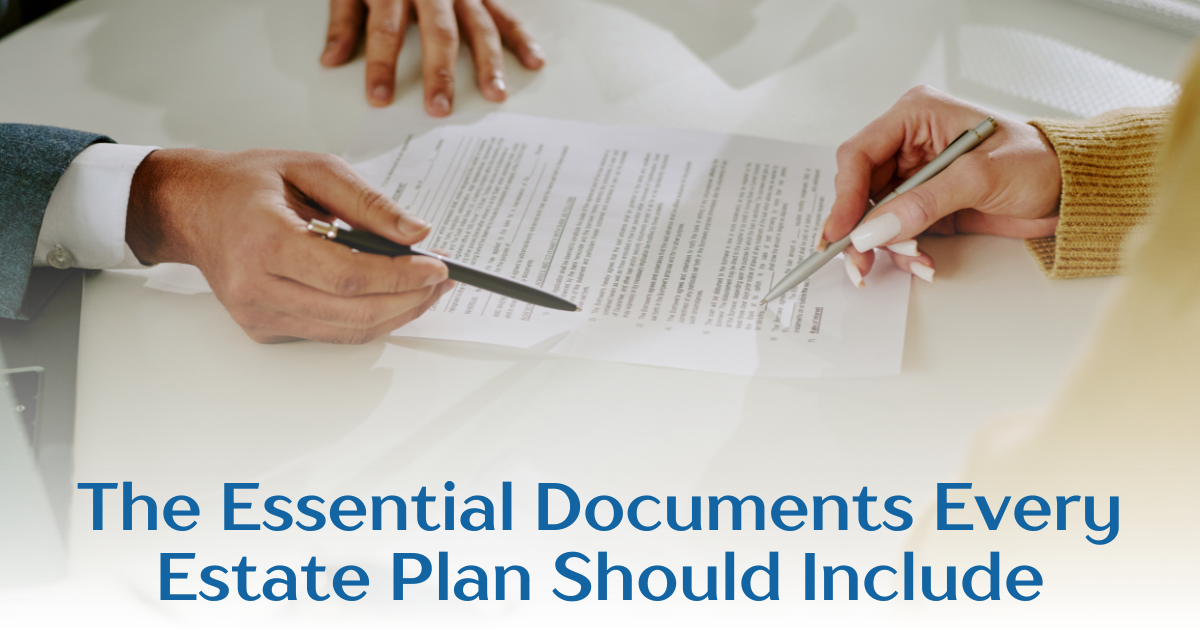
Three people reviewing a document, with text about the difference between a will and a trust in Louisiana
July 28, 2026
When it comes to protecting your family and preserving your legacy, one of the most common questions people ask is, "Do I need a will or a trust?" The answer depends on your personal circumstances, financial goals, and long-term estate planning objectives. Understanding the difference between these two powerful legal tools can help you make informed decisions and ensure your wishes are carried out exactly as intended. A will is a legal document that outlines how your assets should be distributed after your death. It also allows you to appoint an executor to manage your estate and, most importantly for parents of young children, designate a legal guardian. While a will is an essential component of nearly every estate plan, it generally goes through Louisiana's succession (probate) process before assets are distributed. Working with an experienced estate planning attorney ensures your will complies with Louisiana law and accurately reflects your intentions. A trust , on the other hand, can provide greater flexibility and control over how and when your assets are distributed. Certain trusts may help your loved ones avoid probate, maintain privacy, provide for beneficiaries over time, or protect assets in the event of incapacity. Trusts are often valuable tools for families with significant assets, blended families, individuals planning for long-term care , or anyone seeking greater control over their estate. At Losavio & DeJean Elder Law Firm , we help Louisiana families determine whether a will, a trust, or a combination of both best fits their unique needs. Estate planning isn't about how much you own—it's about protecting the people you love. Whether you're creating your first estate plan or updating existing documents, our experienced attorneys can help you build a plan that provides peace of mind for generations to come.
July 24, 2026
Despite significant progress in women’s education, earnings, and employment, retirement planning remains imbalanced.
July 24, 2026
If you decide to create a power of attorney, be sure to fulfill the requirements to ensure that it is valid.
July 24, 2026
Estate planning for seniors involves carefully organizing and managing personal assets and affairs to ensure their distribution aligns with individual goals and needs.
July 24, 2026
Louisiana residents know hurricane season brings more than just heavy rain and high winds.
July 24, 2026
Estate planning is essential for safeguarding assets and loved ones following a person’s passing.
July 24, 2026
Probate is a legal process where the court oversees the administration of an estate.
July 24, 2026
When caring for a new baby, the last thing you want to think about at this time is an estate plan.
Handshake with blue text reading “Understanding Succession in Louisiana” on a light blue background
July 21, 2026
Unlike many states that refer to the legal process after someone passes away as "probate," Louisiana uses the term succession . While the terminology is different, the purpose remains the same: ensuring a deceased person's property is transferred legally to the appropriate heirs or beneficiaries. Whether your loved one left behind a will or passed away without one, a succession may be required before assets can be transferred, sold, or distributed. At Losavio & DeJean , our attorneys help Louisiana families navigate every step of this process with compassion and experience. A succession begins by identifying the deceased person's assets, debts, heirs, and any valid estate planning documents. If there is a valid will , the court generally follows the wishes outlined within it. If there is no will, Louisiana's intestate succession laws determine who inherits the estate. Depending on the complexity of the estate, the process can involve court filings, creditor notifications, appraisals, tax considerations , and the preparation of legal documents necessary to transfer ownership of assets. Many people assume that succession only applies to large estates, but that is not always true. Even relatively modest estates may require legal action if real estate is involved or if financial institutions require court authorization before releasing assets. Families often discover that bank accounts, investment accounts , vehicles, or family homes cannot be transferred until the succession has been completed properly. Working with an experienced Louisiana succession attorney helps families avoid unnecessary delays, legal complications, and costly mistakes. At Losavio & DeJean , we guide clients through every phase of the succession process while helping preserve family harmony during an already emotional time. If your family is facing the loss of a loved one, professional legal guidance can make the process significantly less stressful while ensuring Louisiana law is followed correctly.
July 17, 2026
All parents worry about their children, especially when it comes to their future.