Can VA Aid and Attendance Benefits Be Used By Your Spouse?

July 7, 2026

Don't Miss Out On This Underused VA Benefit!

Aid and Attendance is a valuable VA pension benefit designed to assist Veterans and their spouses who require the aid of another person in performing everyday activities, such as bathing, feeding, dressing, or adjusting prosthetic devices. However, this benefit is often underused due to a lack of awareness. To be eligible for Aid and Attendance benefits, the applicant must meet specific criteria related to medical needs, income, and assets.


What is VA Aid and Attendance?


VA Aid and Attendance is a benefit that provides additional financial assistance to eligible Veterans and surviving spouses who require the aid and attendance of another person or are housebound. This benefit is added on top of existing VA pensions to help cover the costs of long-term senior care, including the expenses associated with assisted living facilities, nursing homes, or in-home care services. This supplemental income aims to provide financial support to those who require assistance with the activities of daily living and may need ongoing care.


Eligibility Requirements for VA Aid and Attendance


To be considered eligible for this benefit, individuals must get a VA pension and meet one of the following requirements: 

  • You require assistance from another person to perform daily activities such as bathing, feeding, and dressing. 
  • You are significantly confined to bed or spend a substantial portion of the day in bed due to an illness. 
  • You are a resident in a nursing home as a result of a disability that has led to a loss of mental or physical capabilities. 
  • Your eyesight is severely restricted, meaning that even with glasses or contact lenses, your visual acuity is 5/200 or less in both eyes, or you have a concentric contraction of the visual field to 5 degrees or less.


Housebound Benefits Eligibility


You can qualify for housebound benefits if you are receiving a VA pension and spend the majority of your time at your residence due to a permanent disability, which is defined as a disability that is not expected to improve. This benefit caters to individuals whose disability significantly limits their ability to leave their home without the assistance of another person or mobility aid.


What Types of Senior Care Do These Benefits Cover?


Veterans or their surviving spouses who are no longer able to independently manage their daily care have the option to use VA Aid and Attendance benefits. These benefits are designed to help with the expenses incurred due to assisted living, nursing homes, or in-home care services. 


Is There Spouse Aid and Attendance?


Although there is no distinct Aid and Attendance benefit specifically designated for spouses, spouses who are recipients of a VA surviving spouse pension are eligible to receive Aid and Attendance. However, the spouse must meet the specified net worth and income limits for VA Aid and Attendance to qualify for this beneficial support. Essentially, eligible spouses can use Aid and Attendance in the same manner as their Veteran spouse would have.


How Can a Spouse Use VA Aid and Attendance Benefits?


The benefit, which is paid out monthly and is not subject to taxation, serves as a valuable resource for covering the expenses associated with long-term care. This includes custodial care, which encompasses a wide range of support, including help with bathing, dressing, using the bathroom, meal preparation, and laundry.


To Learn More About Aid and Attendance Benefits, Contact Losavio & DeJean Today 


If you want further information about Aid and Attendance benefits or the steps you need to take to obtain these benefits, contact Losavio & DeJean today to learn more. 

July 7, 2026
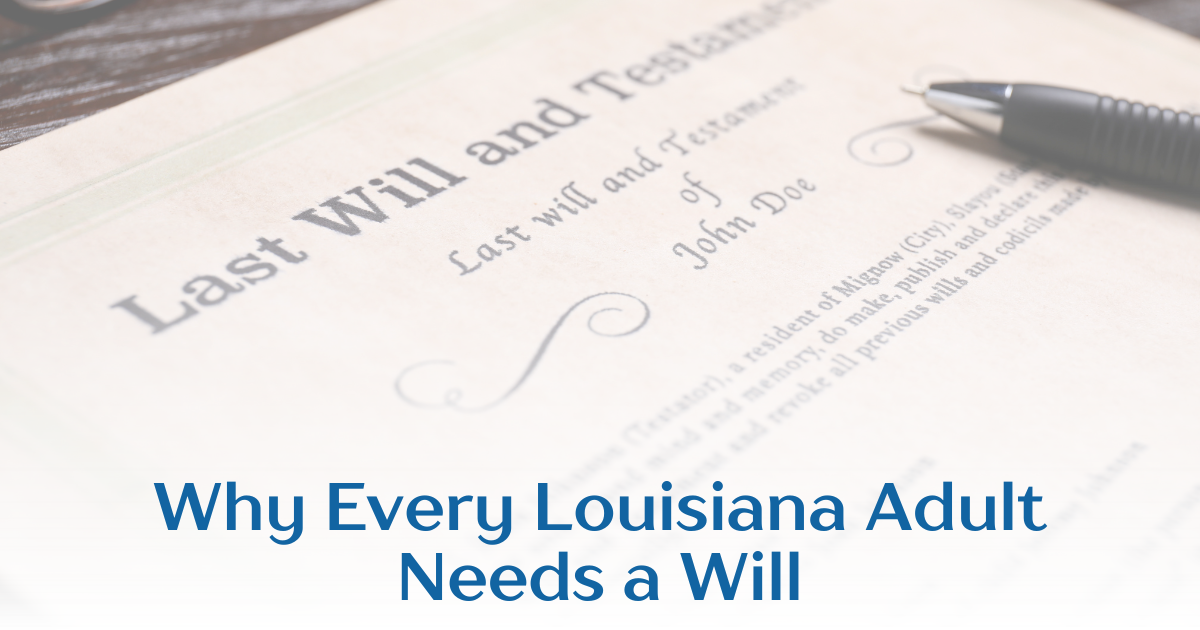
When it comes to planning for the future, writing a Last Will and Testament is one of the most important steps you can take.
July 7, 2026
A power of attorney is a powerful legal tool for individuals to have.
July 7, 2026
A pooled trust is a legal arrangement that combines the financial resources of multiple individuals with disabilities into separate accounts.
July 7, 2026
For many Louisiana families, the home is more than just property.
July 1, 2026
No one wants to think about a time when they might be unable to make decisions for themselves. Yet, life is unpredictable.
July 1, 2026
Elder law attorneys specialize in addressing the legal needs of seniors by providing comprehensive assistance in various aspects of their lives.
July 1, 2026
It can be unsettling to discover that a loved one’s Last Will and Testament is not what you expected.
July 1, 2026
Don't DIY Your Estate Plan!
.
June 25, 2026
Recent national headlines surrounding the disappearance of an elderly family member have sparked conversations across the country about something many families do not like to think about: What happens when a loved one suddenly becomes unable to manage their affairs?  While every situation is different, these stories often highlight a common reality. A crisis can arise without warning, leaving family members scrambling to locate important documents, access financial accounts, make healthcare decisions, or determine who has the legal authority to act on behalf of a loved one. In moments of uncertainty, having a plan in place can make a significant difference. The Questions Families Often Face When an unexpected event occurs, family members may find themselves asking: Who can access bank accounts to pay bills? Who can make medical decisions if a loved one cannot communicate their wishes? Where are important legal documents located? How will property and assets be managed? Is there a valid Power of Attorney in place? Does a Will or Trust exist? Unfortunately, many families discover they do not have clear answers until they are already in the middle of a crisis. Why Estate Planning Matters Estate planning is not just about what happens after someone passes away. It is about preparing for life’s uncertainties and ensuring that your wishes are honored if you are ever unable to manage your own affairs. A well-prepared estate plan can help provide: Financial Protection Proper planning can help ensure that bills continue to be paid, assets remain protected, and financial decisions can be made by trusted individuals when necessary. Healthcare Decision-Making Healthcare directives and Powers of Attorney allow trusted family members or individuals to make medical decisions when you cannot. Family Guidance Clear legal documents reduce confusion and help prevent disputes among family members during already difficult times. Peace of Mind Perhaps most importantly, planning ahead gives families confidence that they know what steps to take when the unexpected happens. Essential Documents Every Adult Should Consider Regardless of age or financial status, every adult should consider having: A Last Will and Testament A Durable Power of Attorney Healthcare Directives A Trust, when appropriate Asset Protection Strategies Beneficiary Designations reviewed regularly These documents work together to create a comprehensive plan that protects both you and your loved ones. Planning Before You Need It No one expects to face a sudden medical emergency, incapacity, or other life-altering event. Yet these situations occur every day. The families who navigate these challenges most successfully are often the ones who took the time to prepare beforehand. At Losavio & DeJean , we help individuals and families create personalized plans designed to protect their assets, preserve their wishes, and provide peace of mind for future generations. While none of us can predict what tomorrow will bring, we can take steps today to ensure our loved ones are protected no matter what the future holds. If you have questions about estate planning, asset protection, Powers of Attorney, Medicaid planning, or Trusts, call (225)-769-4200. Our team is here to help guide you through the process.
Gavel and paper labeled “Power of Attorney” on an orange legal-themed background
June 11, 2026
Understand the importance of Power of Attorney in estate planning. Ensure your decisions are protected. Contact us for guidance.