Can A Louisiana Will Be Challenged After Succession Is Opened?

July 1, 2026

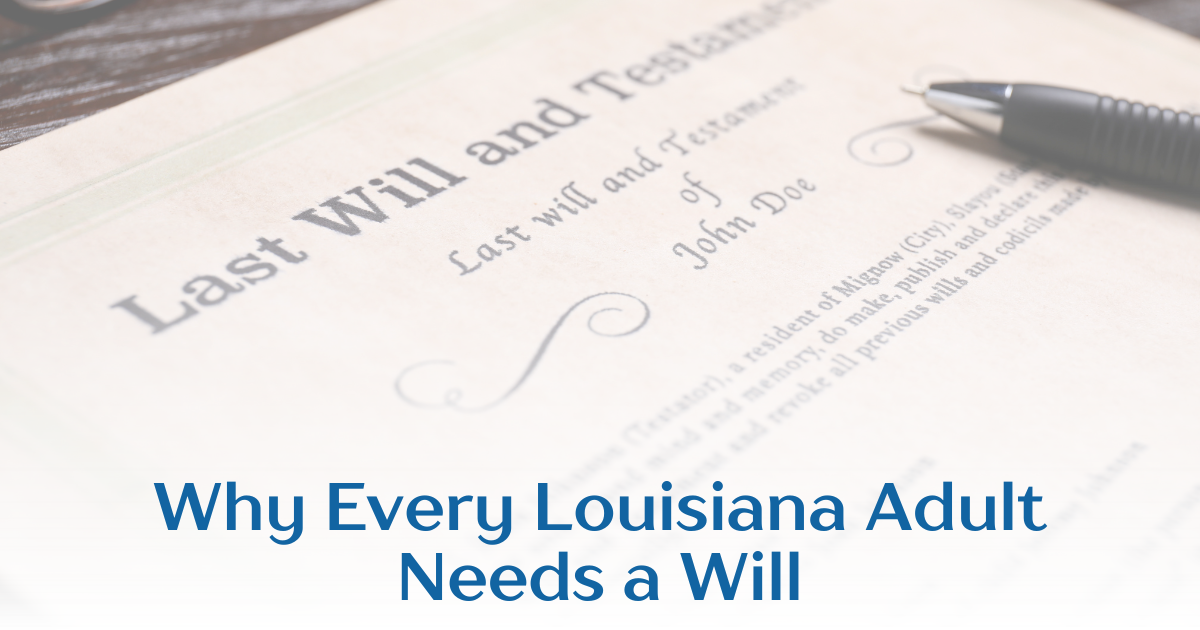
It can be unsettling to discover that a loved one’s Last Will and Testament is not what you expected.

Often, family members do not notice potential issues until after the succession process has already begun. By that point, many believe it is too late to take action once the court is involved. In Louisiana, that is not necessarily true. Under certain circumstances, a will can still be challenged even after succession is opened.


What Does It Mean to “Open” a Succession?


Opening a succession means filing the necessary paperwork with the district court in the parish where the deceased person lived. If there is a will, it is submitted to the court for probate. The court reviews the will to make sure it meets Louisiana’s legal requirements and may appoint an executor to handle the estate.


However, the court’s initial acceptance of the will does not prevent interested parties from raising objections.


Who Can Challenge a Will?


Challenging a will is not open to everyone. Louisiana law requires that a person have a legal interest in the estate, such as heirs, named legatees, or creditors. For instance, a child who believes they were unfairly excluded from the will may have the right to contest it.


Common Reasons a Will Is Challenged


In Louisiana, you can contest a will based on multiple legal reasons:


1) Lack of proper form

Louisiana has strict rules about how wills must be written and executed. Most wills are either olographic, meaning handwritten and signed by the testator, or notarial, meaning signed in front of a notary and two witnesses. If the will does not meet these formal requirements, it may be declared invalid.

2) Lack of capacity

The testator, or the person creating the will, must have had the mental capacity to understand their actions when signing it. If it can be demonstrated that they did not comprehend the nature of their property or the identity of their heirs, the validity of the will could be contested.

3) Undue influence

A will may also be challenged if evidence shows that the testator was pressured or manipulated into making specific decisions. This situation frequently occurs when a vulnerable individual makes major changes to their will shortly before passing away.

4) Fraud

If evidence shows the will was forged or the testator was deceived into signing it, the court can invalidate the document.


Is There a Time Limit?


Louisiana law places time limits on actions to annul a probated will. In many cases, an action to challenge a will must be brought within five years of the will’s probate. However, specific circumstances can affect deadlines. Acting quickly is important because once the estate is fully administered and assets are distributed, resolving disputes becomes more complicated.


What Happens If a Will Is Invalidated?


If the court finds the will invalid, the estate may be distributed under a prior valid will. If no valid will exists, the estate will pass according to Louisiana’s intestacy laws. These laws set out a specific order of inheritance, typically prioritizing spouses and children.


Why Legal Guidance Matters


Challenging a will is not simply about disagreeing with its terms. It requires evidence and a clear legal basis. Likewise, defending a will requires careful preparation and knowledge of Louisiana succession law. 


At Losavio & DeJean, LLC, we understand how emotional and complex succession disputes can be. Whether you are concerned about the validity of a will or need to defend one, experienced legal guidance can help protect your rights and your family’s interests. If you have questions about challenging a Louisiana will after succession is opened, speaking with a knowledgeable attorney is an important first step. To learn more, contact us today.


July 1, 2026
No one wants to think about a time when they might be unable to make decisions for themselves. Yet, life is unpredictable.
July 1, 2026
Elder law attorneys specialize in addressing the legal needs of seniors by providing comprehensive assistance in various aspects of their lives.
July 1, 2026
Don't DIY Your Estate Plan!
.
June 25, 2026
Recent national headlines surrounding the disappearance of an elderly family member have sparked conversations across the country about something many families do not like to think about: What happens when a loved one suddenly becomes unable to manage their affairs?  While every situation is different, these stories often highlight a common reality. A crisis can arise without warning, leaving family members scrambling to locate important documents, access financial accounts, make healthcare decisions, or determine who has the legal authority to act on behalf of a loved one. In moments of uncertainty, having a plan in place can make a significant difference. The Questions Families Often Face When an unexpected event occurs, family members may find themselves asking: Who can access bank accounts to pay bills? Who can make medical decisions if a loved one cannot communicate their wishes? Where are important legal documents located? How will property and assets be managed? Is there a valid Power of Attorney in place? Does a Will or Trust exist? Unfortunately, many families discover they do not have clear answers until they are already in the middle of a crisis. Why Estate Planning Matters Estate planning is not just about what happens after someone passes away. It is about preparing for life’s uncertainties and ensuring that your wishes are honored if you are ever unable to manage your own affairs. A well-prepared estate plan can help provide: Financial Protection Proper planning can help ensure that bills continue to be paid, assets remain protected, and financial decisions can be made by trusted individuals when necessary. Healthcare Decision-Making Healthcare directives and Powers of Attorney allow trusted family members or individuals to make medical decisions when you cannot. Family Guidance Clear legal documents reduce confusion and help prevent disputes among family members during already difficult times. Peace of Mind Perhaps most importantly, planning ahead gives families confidence that they know what steps to take when the unexpected happens. Essential Documents Every Adult Should Consider Regardless of age or financial status, every adult should consider having: A Last Will and Testament A Durable Power of Attorney Healthcare Directives A Trust, when appropriate Asset Protection Strategies Beneficiary Designations reviewed regularly These documents work together to create a comprehensive plan that protects both you and your loved ones. Planning Before You Need It No one expects to face a sudden medical emergency, incapacity, or other life-altering event. Yet these situations occur every day. The families who navigate these challenges most successfully are often the ones who took the time to prepare beforehand. At Losavio & DeJean , we help individuals and families create personalized plans designed to protect their assets, preserve their wishes, and provide peace of mind for future generations. While none of us can predict what tomorrow will bring, we can take steps today to ensure our loved ones are protected no matter what the future holds. If you have questions about estate planning, asset protection, Powers of Attorney, Medicaid planning, or Trusts, call (225)-769-4200. Our team is here to help guide you through the process.
June 11, 2026
A Power of Attorney (POA) should be part of everyone’s estate planning documents.
June 11, 2026
Many people assume that only veterans who were disabled while on active duty can qualify for veterans’ benefits. But this isn’t always the case.
Gavel and paper labeled “Power of Attorney” on an orange legal-themed background
June 11, 2026
A health care power of attorney isn't enough. Learn about advance medical directives & living wills for better protection. Contact us today!
June 11, 2026
Many families are surprised to learn that a formal succession is not always required under Louisiana law.
June 11, 2026
All states have laws and regulations addressing legal incapacity – when a person cannot make (or communicate) decisions for themselves.
June 11, 2026
Transitioning to retirement can be challenging for most. After working for decades, there’s no place to be – no meetings to attend.