5 Secrets IRS Agents Won't Tell You If You Owe Taxes
The IRS is the most powerful collection agency in the world, gaining more and more power by the minute.
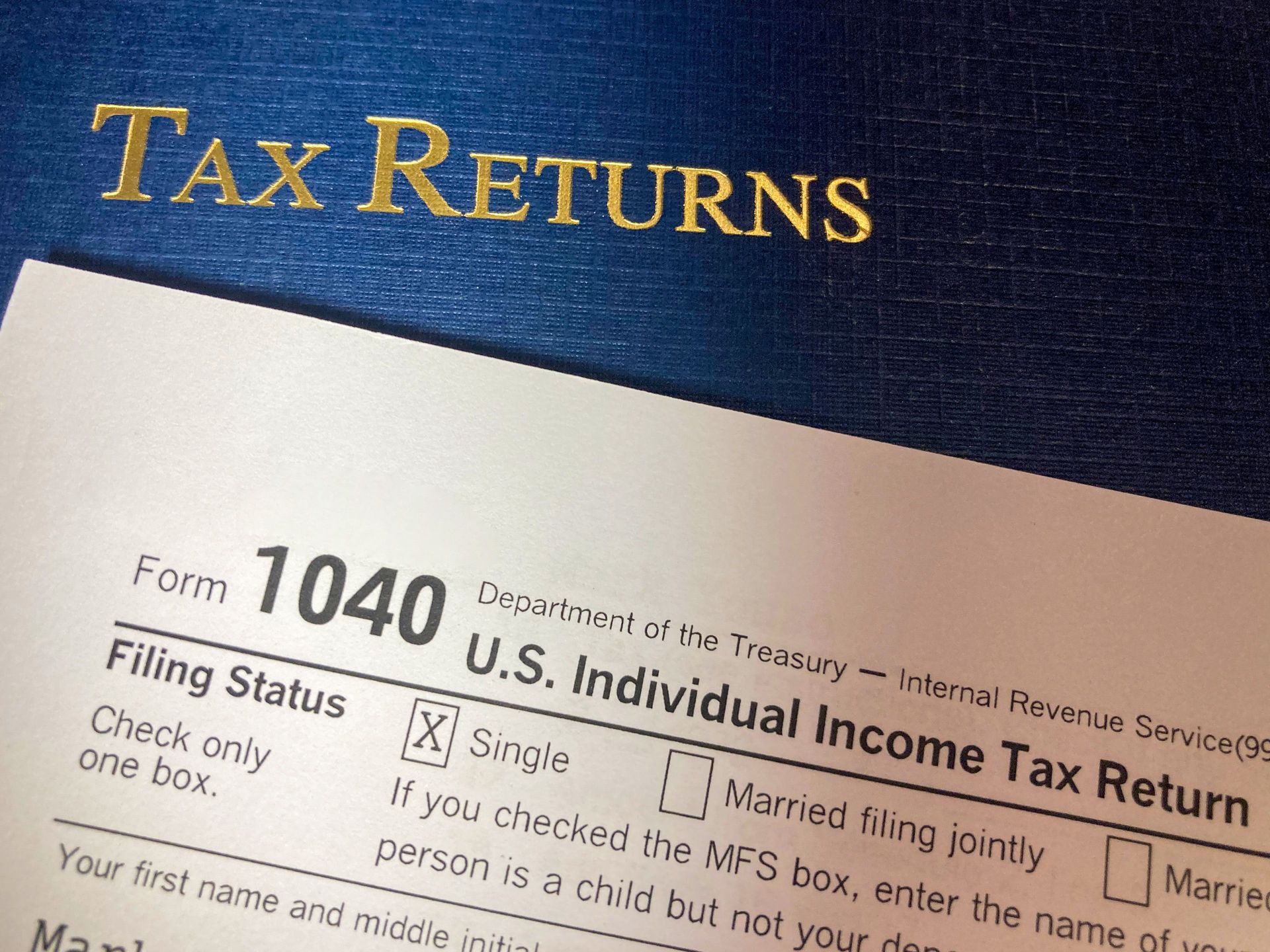
The Inflation Reduction Act is funding $45 billion solely allocated to the hiring of 87,000 new enforcement agents. Those enforcement agents are usually just working to collect money, not necessarily working with your best interest at mind.
There’s a few things the IRS does not want you to know when you owe taxes.
1. Before evaluating which collection alternative is best, the taxpayer should confirm that the amount owed is correct by reviewing his/her taxes and transcripts.
If the taxes or penalties can be reduced, the taxpayer should consider requesting the appropriate reduction using one of the following IRS procedures:
- File an amended return
- Request penalty abatement
- Audit Reconsideration
Once the taxpayer is satisfied that the taxpayer owes the balance in question, the taxpayer should then turn to evaluating payment alternatives. The IRS fails to highlight the different alternatives to pay your taxes. Taxpayers should evaluate collection alternatives by understanding each alternative, and then applying the ability to pay by their personal circumstances to find the right alternative.
2. Do you qualify for IRS penalty relief?
Penalty abatement provides relief from IRS tax penalties. Penalties are common when filing taxes, with the IRS issuing almost 40 million penalties in 2018. Most penalties result from late filings, late payment or filing an inaccurate tax return.
The Internal Revenue Service does not want you to know about penalty abatement. Penalty abatement is usually a request for non-assertion of a penalty or removal of a penalty. The type of penalty dictates the available options for relief. There are three penalties most commonly assessed by the IRS: failure to pay, failure to file, and the estimated tax penalty. Accuracy penalties for failing to file an accurate tax return are not common, but an accuracy penalty may be costly in an audit.
Call (225) 439-1022 to see if you may qualify for penalty abatement.
3. An IRS agent usually won’t tell you about innocent spouse relief. How can this type of relief benefit you?
By requesting innocent spouse relief, an innocent spouse can be relieved of responsibility for paying tax, interest and penalties, if your spouse or former spouse improperly reported items or missed items on your tax return. However… if you filed a joint return, you are responsible for any tax interest and penalty that do not qualify for relief. Innocent spouse relief can only apply to individual income and self-employment taxes.
To request innocent spouse relief, contact one of our tax specialists today at (225) 439-1022.
4. Taxpayers are generally unaware that the IRS has four basic categories of collection alternatives. Those four categories include:
I. Extension to Pay: A taxpayer can get an extension up to 120 days to pay an outstanding balance owed.
II. Installment Agreement: Taxpayers can opt into a monthly payment plan with the IRS. There are two types of installments.
a. streamlined installment agreement- qualifying taxpayers can pay the amount owed over a specified period of time without the need to provide detailed financial information to the IRS. This is the most commonly used payment plan, as it’s easy to obtain and reduces the possibility of a federal tax lien.
b. ability-to-pay installment agreements- this agreement requires the taxpayer to provide information and documentation to prove their ability to pay towards their tax balance. Ability-to-pay payment plans are usually for taxpayers who don’t qualify for the terms of the simple installment agreement.
III. ’Currently Not Collectible’ Status: Taxpayers who experience financial hardship, and only have enough income to pay for their necessary living expenses, can qualify and receive a temporary payment deferral. The taxpayer must provide financial information and documentation of proof that they cannot pay.
IV. Offer in Compromise: If you cannot pay the IRS with your assets or by making future installment agreement payments, you may be able to cancel your taxes for less than the amount owed. Taxpayers who qualify can offer their reasonable potential to settle their tax bill.
5. Can I settle my tax debt for less than I owe?
This is not a secret in the sense that the radio and television commercials are saying you can settle for pennies on the dollar. However, although it is possible, you may not qualify. The vast majority of offers in compromise are rejected. Taxpayers may be able to settle their outstanding liability for less than the amount owed if they qualify for an offer in compromise, and are able to pay the offer amount.
There are three types of offer in compromise… with doubt as to collectibility being the most requested type. Taxpayers can qualify for an offer in compromise if they are unable to pay their outstanding balances in full (using net equity in assets and future monthly payments) before the collection statute of limitations expires. If a taxpayer qualifies for an offer in compromise, the taxpayer must compute how much they will need to offer and pay to settle their taxes. Most offer requests take between 6 to 10 months to complete from application through the IRS’s final approval.
In summary…
It may not be obvious for you which alternative is best. For example, many taxpayers who owe small amounts and make substantial income may only need an extension to pay the excess funds necessary. If the taxpayers are under financial distress, the taxpayer will have to evaluate all payment options and even consider settling their taxes with an offer in compromise.